

YOUR CART IS CURRENTLY EMPTY
What size is an Australian pallet, and how many displays fit on one?
What size is a standard Australian pallet?
The standard Australian pallet is 1165mm x 1165mm, and 150mm high. It's square, which makes it different from the pallets used in most other countries. Both of the big pallet-pooling networks in Australia use this size, in timber and in plastic.
| Pallet | Size (L x W x H) | Empty weight |
|---|---|---|
| Australian standard, timber | 1165 x 1165 x 150mm | about 34 to 38kg |
| Australian standard, plastic | 1165 x 1165 x 150mm | about 29 to 34kg |
| Retail display pallet (smaller footprint) | 775 x 590 x 160mm | about 8 to 9kg |
| 1/6 pallet (in-store promotions) | 581 x 386 x 150mm | about 2kg |
The empty weight counts towards the total weight of your load, so add it in when you're booking freight.
Why does it matter for display rollouts?
A national rollout of floor stands, dump bins or counters usually ships on pallets, and the freight is quoted on the size and weight of each one. Knowing how many units fit on a pallet before you order helps you budget the freight, choose between flat-packed and assembled units, and tell the store or warehouse what's coming.
Our branded retail dump bins are a good example. How they'll get to each store is an important factor when choosing how they're packed, and whether they're sent as a flat pack or pre-assembled.
Steps to work out how many displays fit on a pallet
1. Get the packed size and weight of one unit. Use the size in its carton or carry bag, not the size when it's set up. For example, our pop-up counter weighs 12kg and folds down into a flat pack, with a carry bag size of 800 x 900 x 110mm.
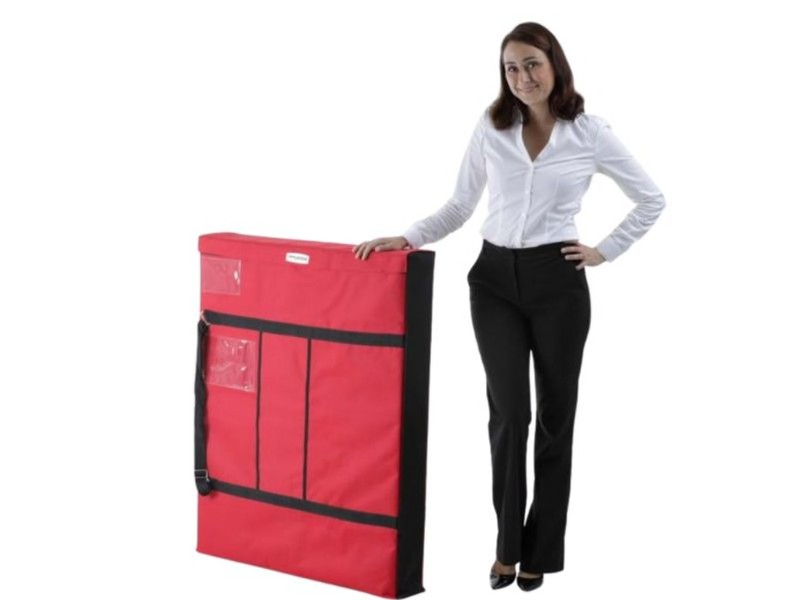
2. Check the unit fits on the pallet without overhanging. Nothing should hang over the edge of the pallet, so compare the unit's longest side with 1165mm.
Note: Some displays are longer than the pallet. The collapsed frame of our Gazebo 2 Go event marquee is 1590mm long, so it can't lie flat on a standard pallet without overhanging. Ask your carrier how they want long items sent.
3. Work out how many fit on one layer. Divide 1165mm by the unit's length and by its width, round each answer down, and multiply the two.
For example, the pop-up counter bag stood on its long edge takes up 900 x 110mm of floor. Across the pallet, 1165 ÷ 110 = 10.6, so 10 bags fit side by side, and 1165 ÷ 900 = 1.3, so one row. That's 10 bags on one layer.
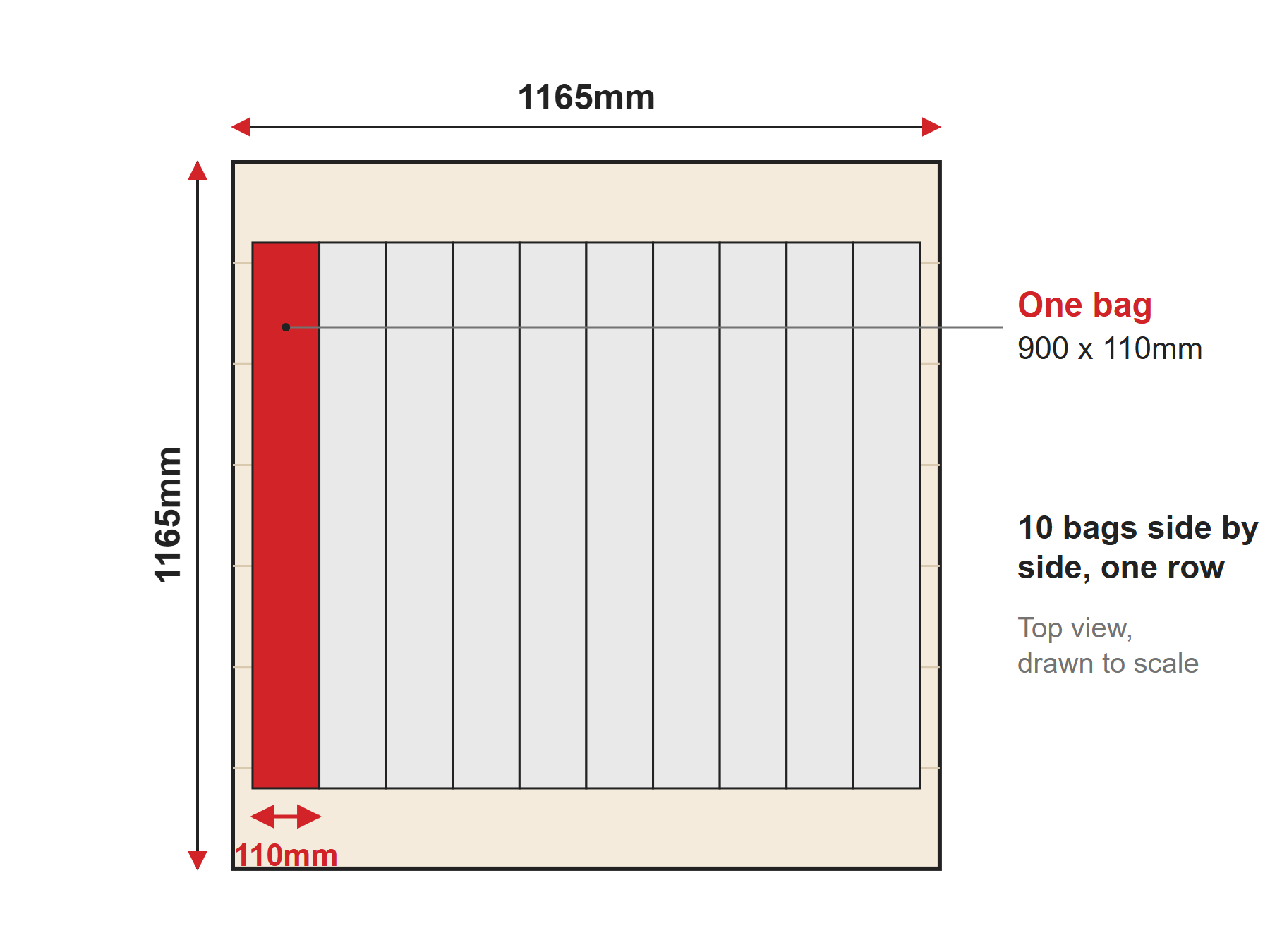
4. Check the height. Ask your carrier or the receiving warehouse for their maximum pallet height, and whether it includes the 150mm pallet (both limits we checked did). Limits vary. One warehouse we checked caps pallets at 1200mm including the pallet. The pop-up counter bags, at 800mm tall plus the pallet, come to 950mm.
5. Add up the weight. Multiply the weight of one unit by the number on the pallet, then add the pallet itself. Ten pop-up counters at 12kg each is 120kg, plus the carry bags (their weight isn't published, so weigh one) and about 34 to 38kg for a timber pallet.
IMPORTANT: Receivers set weight limits too. One warehouse we checked won't take more than 500kg per pallet, including the pallet, unless it's arranged first.
6. Secure the load. Spread the weight evenly across the top of the pallet, then secure it with shrink wrap, banding or corner boards. Put the heaviest units on the bottom.
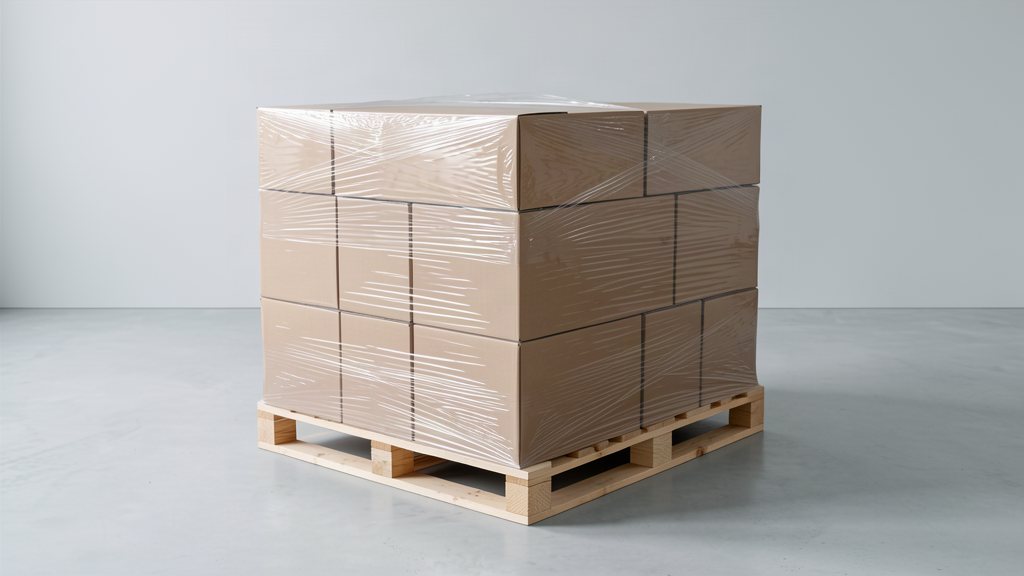
7. Finally, label every pallet with the delivery address, the contents and the number of units, and keep a list of what's on each one, and you're done!
If you'd rather not manage the freight yourself, our logistics and storage team can manage getting your display kit delivered across the country.
Need some help?
We're here for you
If you're needing some advice or just a helping hand, please get in touch with our team, by clicking this button. Complete the enquiry form and one of our specialists will call you back as soon as we can.