

YOUR CART IS CURRENTLY EMPTY
How to sign off a brand activation build before production
Signing off a brand activation build is the moment the design becomes a production job. Before that point, a change is a few edits to a drawing. After it, the same change can mean re-cutting panels, reprinting graphics and losing days you don't have.
So before you approve a build, check that it's complete, safe, allowed at the venue and practical for the people who have to move and set it up. Here are the eight things we'd go through with you, and the questions to ask any builder before you say yes.
#1 - Check the drawings, not just the render
A render shows how the activation should look. The production drawings show what will actually be made. Sign off both.
- Every element is on the drawings, with its width, depth and height.
- Each face of each element is shown, including the backs and sides people will see as they walk around it.
- Graphics are marked on the drawings: which panel carries which artwork, and which side faces the main foot traffic.
- The drawings carry a version number and date, so everyone is approving the same thing.
- The layout matches the site as it really is. Check the drawings against the measurements and photos from your site inspection, including the height limit and any balustrade, exit or neighbouring shopfront.
#2 - Confirm materials, finishes and fire ratings
Ask for a list of materials and finishes for every element, and ask to see samples of anything that matters to the brand, such as a colour match or a timber finish.
Then check the fire rules. Venues set them, and they differ:
- Brisbane Convention & Exhibition Centre's safety guidelines say materials used for lining, drapes, backdrops, overhead structures, signs, banners and theming must be rendered non-flammable to AS/NZS 1530.3:1999. Readily flammable materials such as crepe paper, corrugated cardboard, plastic and polystyrene are banned unless treated with fire retardant, and proof of treatment must be supplied on request.
- The Perth Convention and Exhibition Centre's exhibitor manual lists the materials it accepts for stand construction, including flame-proof fabrics, self-extinguishing plastics, and plywood, hardwood or fibreboard made flame resistant by impregnation.
- The Gold Coast Convention and Exhibition Centre's event safety guidelines require drapes used for theming to be rated fire retardant, with a certificate attached to the drape or available for inspection.
Ask your builder for the fire-rating documents now, and keep a copy for bump-in. For our SuperWall, Big Mural and Brandframe fabrics, we work with you to supply fire-test certificates: ask us when you order. For more on what each material is good for, see our guide to materials used in exhibition displays.
#3 - Check the structure and engineering
Tall, raised or enclosed builds may need an engineer's sign-off before the venue will approve them, and that takes time.
- At Brisbane Convention & Exhibition Centre (BCEC), any structure over 2.4 metres high that staff or guests have access to must be certified by an engineer for its allowable load.
- At the Perth Convention and Exhibition Centre (PCEC), structural engineering approval is needed for any stand that is a multi-storey build over 2.4 metres high, or has a roof or ceiling larger than 18m². The full design drawings are due not less than 20 business days before the commencement date, and artist's impressions are not accepted.
- In shopping centres, Vicinity Centres' fit-out guidelines say activation approval may depend on extra documents such as structural certifications, risk assessments and crowd management plans.
If the build has steps, a raised floor, a roof or anything people sit or stand on, ask the builder whether it needs certification, who will provide it and when. Our comparison of stand rules at Australian convention centres covers heights and approvals venue by venue.
#4 - Check power, lighting and test and tag
- List every item that needs power: screens, lights, fridges, chargers, tablets.
- Check where the cables will run inside the build, and how they reach the outlet.
- Confirm all electrical equipment will be tested and tagged before it arrives. BCEC requires portable equipment, appliances and leads to be tested and tagged to AS/NZS 3760:2010, and PCEC requires it before the equipment enters the venue. In shopping centres, Vicinity Centres requires up-to-date testing and tagging by qualified personnel.
#5 - Match the build to the approval you're submitting
What you sign off should be exactly what the venue or centre approves. Vicinity Centres, for example, asks for full colour renders, detailed signage, proposed furniture, and display and material specifications with dimensions for each element, plus a detailed brief of the brand objectives and the activities planned across the activation. If the centre asks for changes, update the drawings and re-approve them before production starts, so the build doesn't drift from what was approved.
#6 - Agree set-up time, pack-down time and crew
- Will the builder assemble and check it in their workshop before it's packed? Any problem then turns up there, not at bump-in. We do this for every custom activation build we make.
- How long does the build take to install, and how long to pack down?
- How many people does it take, and does it need tools, a ladder or a lift?
- Does that fit the bump-in window? Some centres want set-up done outside trading hours. Harbour Town Gold Coast's casual leasing guidelines require bump-in and bump-out outside the centre's core trading hours.
- If the activation tours, can the set-up be repeated easily? Ask for a simple set-up guide that travels with the kit.
If you'd rather not crew it yourself, our installation and pack-down team can manage the install and come back for the pack-down.
#7 - Plan transport and storage
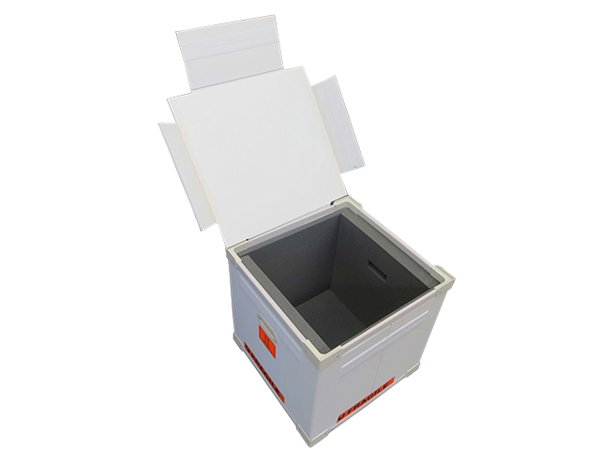
- What size are the packed cases or crates, and how much do they weigh? Check the largest one against the doors, lifts and loading dock on your site visit notes.
- How is each piece protected in transit? Ask for cases or crates for anything with a finish that scratches.
- Is every case labelled with its contents, so the crew can find what they need?
- Where will the build live between uses? Our logistics and storage service can keep it between events and make sure it's clean, repaired and working before its next outing.
#8 - Ask about repairs, spares and warranty
Activation kit takes knocks, especially on a tour. Before you sign off, agree:
- Spares: which parts are worth carrying spares of, such as fixings, feet, lamps and a spare set of the most handled graphics.
- Repairs: who fixes damage between dates, how quickly, and what it costs.
- Show-day help: who you call if something fails during the activation. For clients using equipment we've supplied, we can help on site or after hours.
- Warranty: what the warranty covers, for how long, and what it excludes. Get it in writing with the quote.
Before you sign
- The drawings and materials list carry the version number you're approving.
- Fire-rating documents, test and tag and any engineering certificates have a named owner and a due date.
- The venue or centre has approved the same version.
- Set-up time, crew, freight and storage are agreed.
- The sign-off is in writing, with the name of the person approving and the date.
Then check the dates. A custom brand activation build typically takes us about 5 weeks, so count back from your live date and allow for approvals on top.
Our project management team gives you one point of contact from the first brief to pack-down. Send us your drawings or brief, or call 1300 240 250, and we'll go through the sign-off with you.