

YOUR CART IS CURRENTLY EMPTY
What is a brand activation? 7 types and the kit each one needs
Published
Quick answer
A brand activation is a planned, live event where people interact with a brand in person: they taste a product, try a demonstration, spin a prize wheel or walk into a pop-up. Advertising tells people about a brand, while an activation gives them something to do with it. The seven common types are sampling, pop-ups, roadshows, stunts, sponsorships, in-store and B2B activations. Each needs different displays, staff and measures.
What is a brand activation?
A brand activation turns a marketing objective into an action someone takes face to face. That action might be trying a sample, registering for a demonstration, booking a test drive or buying on the spot. The activation is the setting, the kit and the staff that make the action easy.
Brand activation marketing differs from advertising in one way that matters for planning: advertising is measured by who saw it, while an activation is measured by what people did. That is why the brief has to name the action before anyone chooses a display. Activations sit within the wider field of experiential marketing; our guide on what experiential marketing means covers that side.
The 7 types of brand activation at a glance
| Type | Best setting | Core kit | Staff roles | What to measure |
|---|---|---|---|---|
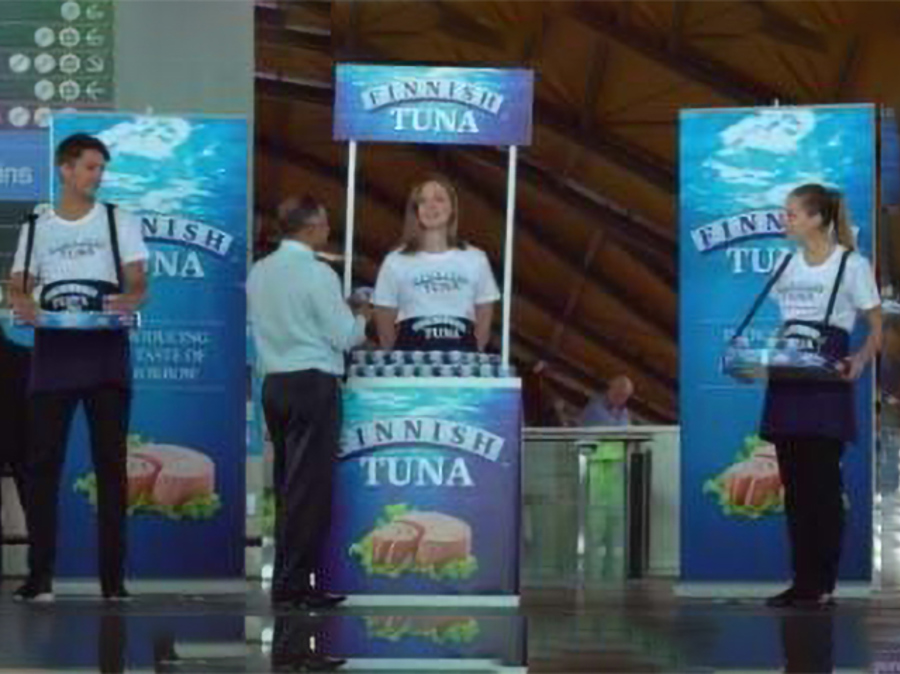
| Sampling and demonstration | Supermarkets, shopping centres, transport hubs, offices | Sampling cart or trolley, demo counter, roaming trays, stock storage | Sampler or demonstrator, plus a stock runner at busy sites | Samples given, conversations, sales during and after |
| Pop-up | Shopping-centre floor, vacant shop, city forecourt | Backdrop walls, counters, shelving, lighting, screens | Host, product specialist, team lead | Visitors, demonstrations, sales, data captured |
| Roadshow | A run of centres, campuses, dealerships or regional events | Portable kit in labelled cases, one repeatable layout | Touring team with a lead who knows the setup | Results per stop, cost per stop |
| Stunt | Public space or high-traffic venue on a launch day | Feature build or oversized prop, photo point, signage | Hosts, plus marshals if the venue requires them | Coverage, social shares, visits to the next step |
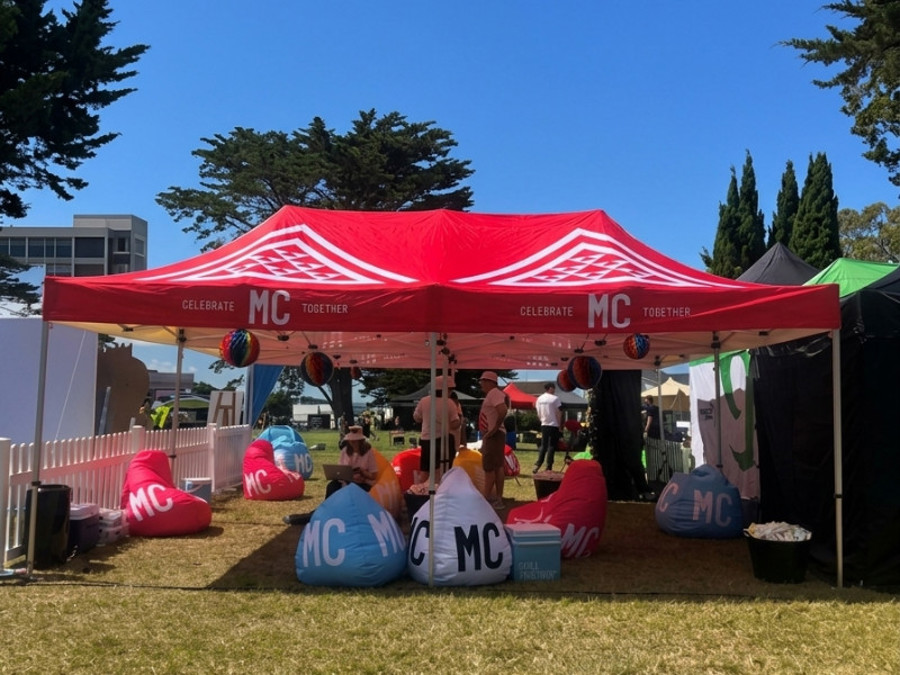
| Sponsorship | Festivals, sport, community and outdoor events | Branded gazebo or marquee, flags, seating, prize wheel or game | Hosts, plus one person on data and prizes | Engagement on site, data captured, sponsor deliverables met |
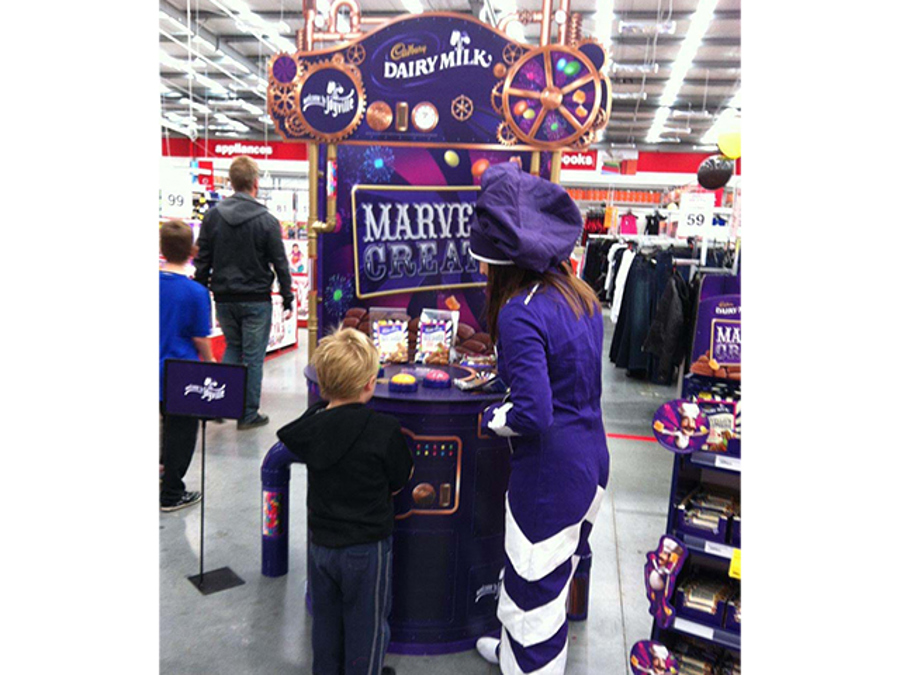
| In-store | Supermarket aisle, department store, specialty retail | Demo table, branded counter, point-of-sale display, header sign | Demonstrator trained on the product | Store sales of the product against a normal week |
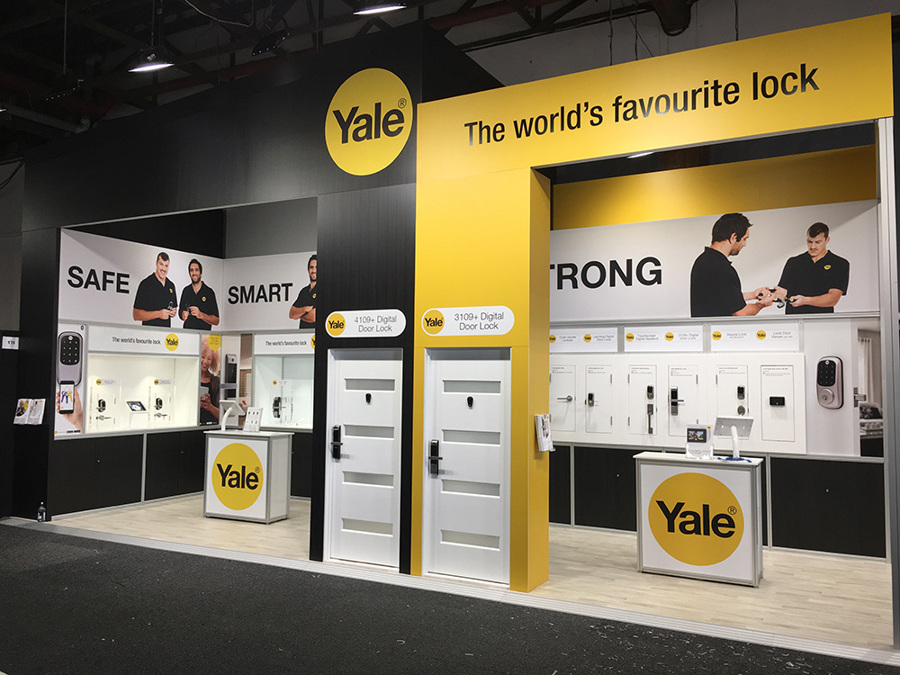
| B2B | Conferences, trade shows, dealer and partner events | Exhibition stand, product plinths, demo screens, meeting space | Sales and technical staff | Qualified leads, meetings booked |
Sampling and demonstration activations
Sampling removes the main barrier to trial: people can taste, smell or use the product before they spend anything. Demonstrations do the same job for products that need explaining.
The kit has to suit how the team moves. A fixed counter suits a supermarket or centre spot with steady traffic. A cart or trolley lets one person take the setup to where people are. Roaming trays carried by staff work in concourses and at events where a fixed spot is not allowed. Our branded sampling carts and trolleys include custom carts shaped around the product, a trolley for outdoor work and wheeled bins that keep stock beside the sampler.
For a fixed demo spot, our pop-up display counter has a curved 1,300mm x 480mm top on a 900mm-high base, weighs 12kg and folds into a flat pack. One person can assemble it in under three minutes. It starts from $792 (excluding GST and freight), with 1.5 weeks' production from order and print-ready artwork.
Food sampling also has to meet food safety rules and the venue's own conditions, so check both with the venue and local council before you book staff.
Pop-up spaces and roadshows
A pop-up creates a temporary branded destination: a kiosk on a centre floor, a fitted-out vacant shop or a structure in a forecourt. It suits launches, seasonal ranges and products people want to see before they buy.
A roadshow takes the same activation through a series of locations. The kit then matters as much as the creative, because your team packs, moves and rebuilds it at every stop. Plan for that from the start:
- Record every component, label the cases and photograph the packed kit.
- Keep a short setup sequence with the kit.
- Check the largest packed item against doors, lifts, loading docks, vehicles and storage, not only the floor space.
- Inspect graphics, fixings, feet, leads and work surfaces after each stop, and reorder damaged graphics before the next booking.
Many of the portable display systems we supply can be set up by one person in minutes with no tools, which keeps a roadshow team small. Shopping centres set their own rules, including height limits at the major centres, so get the current requirements from centre management for each site.
Stunts and sponsorship activations
A stunt is a one-off moment designed to be photographed and talked about: an oversized product, an unexpected structure or a live performance. It usually needs a custom build. Our custom design and build team designs and produces it at our Sydney facility, and can work in aluminium, plastics, stretch fabric, lighting and inflatables. For anything in a public space, check early with the council or landowner whether approval is needed.
A sponsorship buys you a presence at someone else's event. The activation is how you use it. Outdoor events need kit that copes with sun, wind and grass: branded gazebos, flags and seating that give people a reason to stay. A game such as one of our prize wheels draws a crowd and gives people a reason to leave their details. A wheel decides prizes by chance, so check the trade promotion rules with the regulator in each state and territory where it runs, before the event.
Retail brand activations: in-store and shopping centres
An in-store activation runs inside a retailer's space, so the retailer's rules on floor position, signage, sampling and hours apply. The payoff is a direct line to sales: you can compare product sales in that store during the activation with a normal week.
The kit is usually compact: a demo table or branded counter, a header sign and a point-of-sale display that holds stock within reach. Use a theme to make a small footprint stand out from the shelves around it.
In shopping-centre common areas, the centre controls the space. Book through the centre, and size the kit to its height limits and access times.
B2B activations at conferences and dealer events
B2B activations reach fewer people with longer buying cycles, so the goal is a qualified conversation rather than volume. The kit supports demonstration and discussion: an exhibition stand with clear product zones, plinths or working displays that let buyers handle the product, screens for technical detail and a quiet spot to talk.
Agree what counts as a qualified lead before the event, and capture it the same way on every device. Plan the follow-up before the event too, so the sales team contacts leads while the conversation is fresh.
How to choose the right type and brief it
Start with the audience and the action, then pick the type that puts the right kit in front of the right people. A brief that answers these points lets every supplier quote on the same job:
- Audience and action. One primary audience and the one thing you want them to do.
- The measure. What you will report, decided before you choose equipment.
- The site. Footprint, access route, power, venue rules and dates.
- People. Staff numbers, roles, scripts, breaks and who handles problems.
- Stock and technology. What has to be stored, chilled, charged or connected.
- Transport and storage. How the kit travels and where it lives between uses.
- Follow-up. What happens to data collected, with consent obtained at capture.
Approve graphics only after the physical specification is confirmed, and test the full setup before the first live day.
Common mistakes to avoid
- Choosing an eye-catching format with no business objective.
- Making the instructions for taking part too complicated.
- Collecting data with no plan for using it.
- Counting attendance but not the actions that matter.
- Ordering kit that does not fit the venue's lift or loading dock.
Brand activation FAQs
What drives the cost of a brand activation? The main drivers are custom versus catalogue kit, the number of locations, staff days, venue fees, stock and freight. Catalogue items have published prices; custom builds are quoted from your brief.
Should we hire or buy activation kit? Hire suits one-off events, trial campaigns and teams with nowhere to store kit. Buying usually pays off when the same kit is used at several events a year and the graphics stay the same. Our hire range covers exhibition walls, display boards, complete stand kits (including a food and beverage sampling kit) and shopping-centre packages. Items in that range can be hired or bought; we don't hire sampling carts, prize wheels or other kit outside it.
How much lead time do we need? Catalogue items list their production time; the pop-up counter, for example, takes 1.5 weeks from order and print-ready artwork, plus freight. A custom activation build typically takes about 5 weeks, and busy event periods can need more, so give us your live date when you brief us. Allow time for venue approvals as well.
Next step
See the brand activations we deliver. Then send us your audience, locations, dates and the action you want people to take, or call 1300 240 250, and we'll recommend the kit.